AI ASMR Prompts: Try Our Free AI ASMR & Pov Prompt Tool
ASMR videos trigger relaxing tingles through soft sounds and gentle visuals, and artificial intelligence is making it easier than ever to create this content.
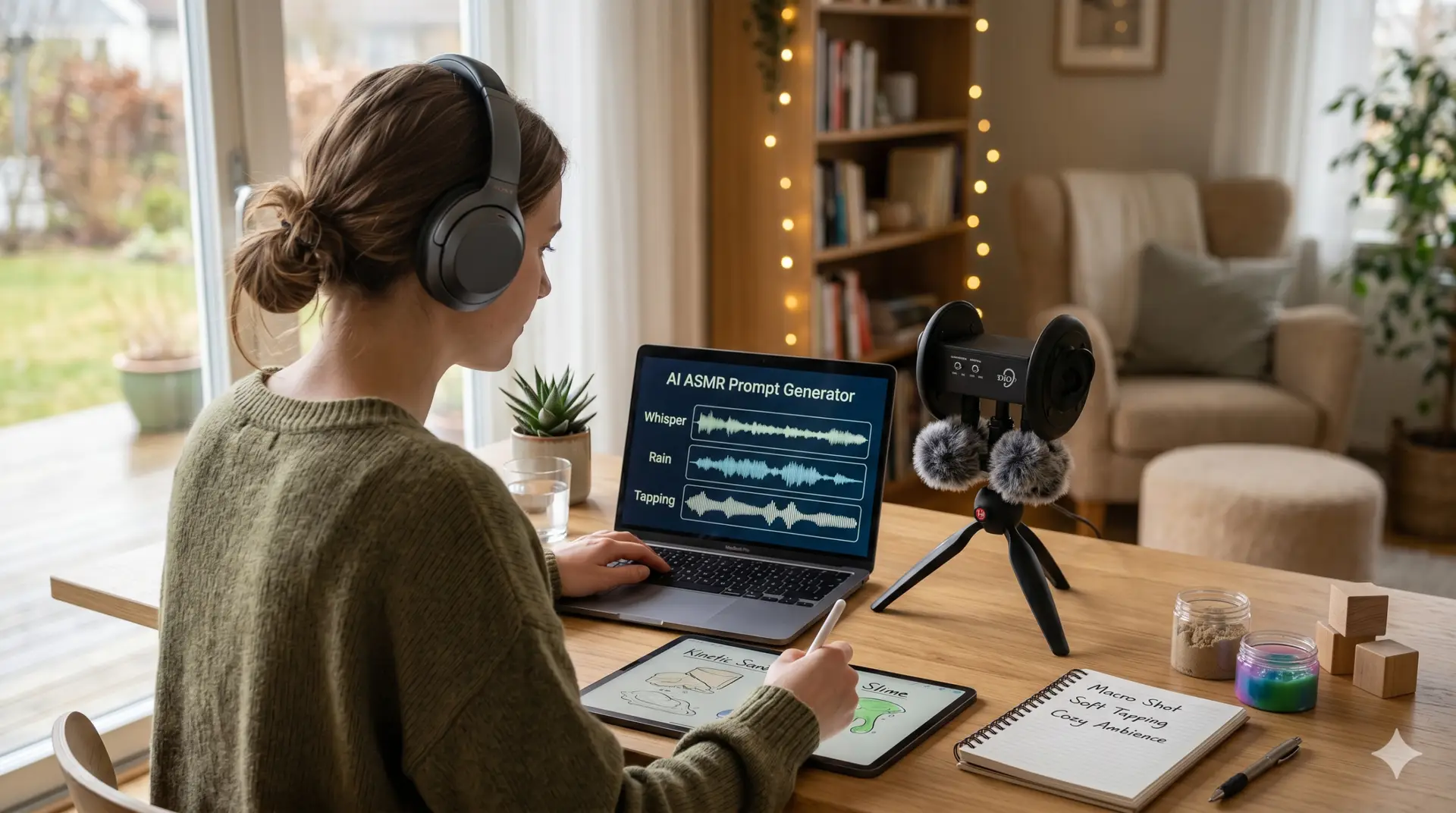
If you want to experience this technology firsthand, you can try our free AI ASMR Prompt Generator to generate high-quality prompts for your videos at no cost.
AI ASMR prompts are text instructions that tell AI video generators exactly what autonomous sensory meridian response content to create, from soap cutting and rain sounds to whispered speech and tapping motions. You simply describe the scene, sounds, and mood you want, and the AI produces a video designed to give viewers those characteristic tingling sensations.
Whether you’re interested in generating ASMR content with ready-to-use prompts or learning to write your own from scratch, understanding how to communicate effectively with AI tools opens up creative possibilities. You can produce AI ASMR videos featuring nature sounds, satisfying textures, or calming movements without recording equipment or editing experience.
This guide walks you through how AI is changing ASMR video creation, the types of triggers that work best, and practical techniques for crafting prompts that generate immersive content. You’ll discover tools that transform simple text into professional-looking videos and learn strategies for building an engaged audience around your AI-generated autonomous sensory meridian response content.
How AI Is Transforming ASMR Video Creation
Artificial intelligence is fundamentally changing how creators produce ASMR content, eliminating the need for expensive equipment and extensive filming while making it possible to generate satisfying sensory videos from simple text descriptions.
The Rise of AI Video Generators
AI video generators have emerged as powerful tools that convert text prompts into complete ASMR videos without requiring physical props or recording equipment. You can now describe a sensory scene like “soap cutting with smooth slicing sounds” and watch AI transform it into a polished video in minutes.
These platforms integrate advanced models that understand ASMR-specific triggers. When you input prompts about tapping, whispering, or crinkling textures, the AI generates both visual and auditory elements automatically.
The technology works across multiple devices and platforms. You can create content on desktop computers or mobile apps, then export videos optimized for YouTube Shorts, TikTok, and Instagram Reels in the correct aspect ratios.
Benefits of AI-Generated ASMR Content
Speed and efficiency stand out as primary advantages. Traditional ASMR video creation requires setting up microphones, arranging lighting, filming multiple takes, and extensive editing. AI-generated ASMR eliminates these steps entirely.
You gain access to scenarios that would be difficult or expensive to film traditionally. Want to create videos of melting ice, intricate slime textures, or perfect fruit peeling? AI can generate these without sourcing materials or dealing with cleanup.
Key advantages include:
- No need for specialized ASMR microphones or recording equipment
- Instant generation of multiple video variations from different prompts
- Built-in audio enhancement and noise reduction features
- Consistent quality across all productions
- Lower production costs compared to traditional methods
The AI ASMR video generation process also lets you experiment with creative ideas rapidly, testing different concepts before committing significant time or resources.
From Traditional to Viral AI ASMR
The shift from traditional ASMR to AI-powered content creation has changed what goes viral on social media platforms. You can now produce the highly satisfying visual content that performs well on TikTok and YouTube Shorts without filming anything.
AI excels at creating the macro close-ups and slow-motion effects that viewers find most satisfying. The technology generates smooth transitions and perfect lighting that would require professional equipment in traditional production.
Popular viral ASMR categories like soap cutting, slime pressing, and kinetic sand videos are now accessible to any creator with an AI tool. You don’t need to buy dozens of soap bars or mixing ingredients for slime recipes.
The vertical 9:16 format optimized for mobile viewing comes standard with most AI generators. This native orientation matches how your audience consumes content, increasing engagement and watch time on short-form video platforms.
Types of ASMR Prompts and Trigger Ideas
When crafting AI ASMR prompts, you’ll find they fall into distinct categories based on the sensory triggers they target. Each type generates different relaxation responses, from the satisfying crunch of cutting scenes to the calming repetition of whispered narratives.
Cutting and Slicing Scenarios
Cutting ASMR ranks among the most popular trigger types you can generate with AI. These prompts focus on sharp, precise actions that create satisfying visual and auditory experiences.
Your prompts should specify the material being cut, such as “kinetic sand slicing with a sharp blade, close-up macro shot” or “soap cutting in perfect cubes, colorful layers revealed.” The key is describing slow, deliberate movements that emphasize the separation of materials.
Include details about lighting and camera angles to enhance the effect. Try prompts like “foam being sliced diagonally, soft diffused lighting, purple and pink gradient colors” or “clay cutting with wire tool, overhead view, smooth texture.”
For fruit-based content, specify varieties and actions: “watermelon cube cutting, juice droplets visible, natural sunlight” or “apple peeling in one continuous spiral, wooden cutting board background.” These AI ASMR video prompts work particularly well when you mention the resulting sound quality, such as “crisp snapping sounds” or “gentle tearing noises.”
Texture and Tactile Inspiration
Texture-focused prompts generate videos that emphasize touch sensations through visual representation. You’ll want to describe materials with rich tactile qualities that viewers can almost feel through the screen.
Slime variations offer endless possibilities: “glossy clear slime stretching slowly, bubble popping sounds” or “fluffy cloud slime being poked repeatedly, pastel blue color.” Add descriptors like “thick,” “stretchy,” “crunchy,” or “buttery” to enhance the sensory detail.
Fabric and surface textures create calming repetitive motions. Consider prompts such as “fingers brushing across velvet fabric, burgundy color, soft stroking motion” or “hand pressing into memory foam, slow rebound effect, close-up shot.”
Natural materials provide organic textures: “sand being sifted through fingers, fine white grains, beach setting” or “moss being gently touched, dew drops visible, forest floor background.” You can combine multiple textures in single prompts like “mixing different slime textures together, color-changing effect, satisfying squishing sounds” to create more complex ASMR triggers.
Aesthetic and Visual Motifs
Visual ASMR relies on pleasing compositions and color schemes rather than traditional sound triggers. Your prompts should emphasize symmetry, patterns, and color gradients that create visual satisfaction.
Prismatic refractions and light effects generate mesmerizing results: “light refracting through crystal prism, rainbow patterns on white wall, slow rotation” or “glass sphere with internal reflections, bokeh background lights, warm golden tones.” These effects work well when you specify the light quality and movement speed.
Geometric arrangements appeal to viewers who prefer organized visuals: “pastel macarons arranged in perfect grid, overhead shot, mint and lavender colors” or “colored pencils being organized by gradient, rainbow sequence, satisfying alignment.”
Minimalist scenes with limited color palettes create calming ASMR visuals: “single candle flame flickering, dark background, amber glow” or “white paint being stirred slowly, creamy texture, porcelain bowl.” Include details about the environment to enhance the aesthetic mood, such as “marble countertop” or “wooden table with natural grain.”
Soundscape and Whisper Examples
ASMR soundscape prompts focus on ambient audio environments and vocal triggers. You’ll need to describe both the visual scene and the intended audio characteristics for effective results.
Nature soundscapes provide relaxing backgrounds: “gentle rain falling on leaves, forest canopy view, soft patter sounds” or “ocean waves lapping at shore, sunset lighting, rhythmic water sounds.” Specify the intensity and rhythm of sounds to guide the AI generation.
Whisper-based prompts require attention to vocal quality and pacing: “soft whispering voice, close to camera, gentle breathing sounds” or “ASMR reading with page turning, cozy library setting, hushed tones.” You can enhance these by adding environmental sounds like “crackling fireplace in background” or “light keyboard typing.”
Ambient object sounds create repetitive triggers: “clock ticking softly, vintage timepiece close-up, steady rhythm” or “pen writing on paper, cursive letters, scratching sounds.” Layer multiple subtle sounds in your prompts such as “typing on mechanical keyboard, rain on window in background, dim desk lamp lighting” to build richer AI ASMR video experiences.
Crafting Effective Prompts for AI Video Generators
Writing clear, detailed prompts helps AI ASMR video generators understand exactly what you want to create. The structure of your prompt, your choice of visual descriptors like warm lighting, and the inclusion of sensory actions all play a role in producing high-quality relaxing content.
Prompt Template Structures
A solid prompt template gives your ASMR video creation a consistent foundation. Start with the main subject or action, then add visual style elements, and finish with mood or atmosphere descriptors.
For example: “Close-up of hands gently folding soft fabric, minimalist white background, natural window light, peaceful and slow-paced.” This structure keeps your ai asmr prompts organized and easier for the generator to interpret.
You can also break prompts into three parts: subject + environment + technical details. The subject might be “person tapping on wooden surface,” the environment could be “cozy bedroom setting,” and technical details include “macro lens, 4K resolution.” When working with tools that generate ASMR videos from text, keeping prompts under 50 words helps maintain focus while providing enough detail.
Incorporating Lighting and Camera Language
Technical camera terms significantly improve the visual quality of your generated ASMR content. Warm lighting creates a cozy, inviting atmosphere that enhances relaxation triggers in your videos.
Shallow depth of field keeps your main subject sharp while softly blurring the background, drawing attention to specific ASMR actions. You might write “shallow depth of field focusing on fingertips” or “soft bokeh in background.”
Other useful camera terms include:
- Macro shot – extreme close-ups of textures and details
- Soft focus – dreamy, gentle visual quality
- Golden hour lighting – warm, natural glow
- Side lighting – creates dimension and shadows
- Slow motion – emphasizes gentle movements
Combining these elements helps your ASMR video prompts produce cinematic results. Try “macro shot of soap cutting with warm lighting and shallow depth of field, 60fps slow motion.”
Using Sensory and Action Details
Specific sensory language transforms basic prompts into immersive ASMR experiences. Instead of “tapping sounds,” describe “rhythmic fingernail tapping on smooth glass surface creating crisp clicking sounds.”
Action words should emphasize the slow, deliberate nature of ASMR content. Use verbs like brushing, tracing, peeling, unwrapping, folding, or dragging to create satisfying visual triggers.
Layer multiple sensory details together: “Hands slowly peeling a ripe orange, close-up of skin texture separating, juice glistening under soft natural light, quiet tearing sounds.” This approach helps the ASMR video generator understand both visual and implied audio elements.
Include material descriptions like “crunchy dried leaves,” “smooth satin ribbon,” or “rough tree bark” to add tactile dimension. The more specific your sensory vocabulary, the more accurately you can generate ASMR content that triggers the relaxation response you want viewers to experience.
Popular Tools and Resources for AI ASMR Content
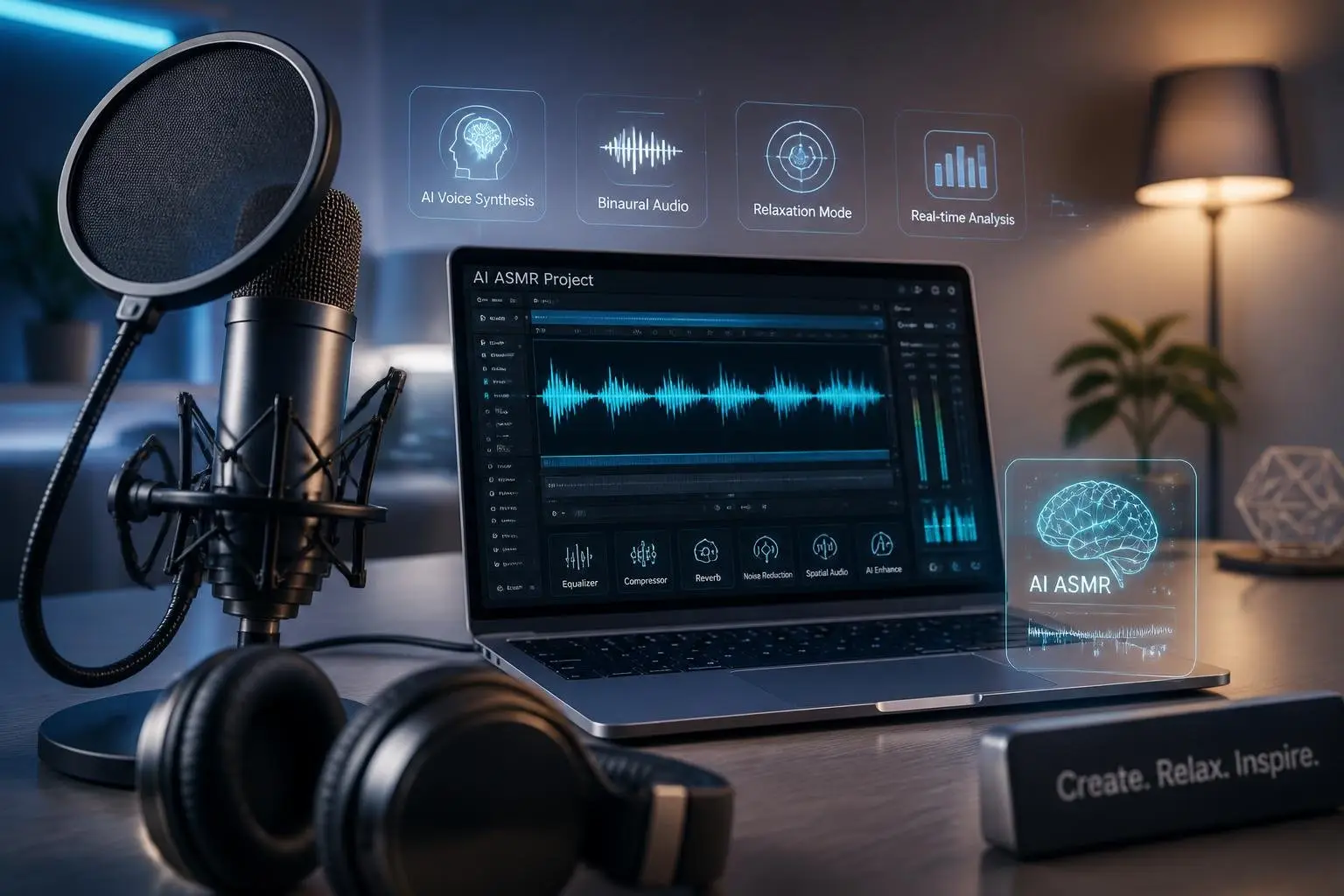
Several platforms now offer specialized features for creating AI ASMR videos, from automated prompt generators to full-featured video creation tools. These resources include ready-made template libraries and community-driven collections that help creators produce satisfying content efficiently.
ASMR Prompt Generators
Dedicated AI ASMR prompt generators streamline the creative process by providing optimized text inputs for video creation. These tools analyze successful ASMR content to generate prompts that emphasize key visual elements like macro close-ups, slow-motion effects, and specific triggers.
Browser extensions like ASMR.so offer instant access to prompt libraries while you browse, allowing you to copy and modify templates for your specific needs. Many generators include toggles for different ASMR categories including slicing, tapping, melting, and pouring effects.
The most effective prompt generators let you customize parameters like aspect ratio, duration, and visual style. You can typically generate variations of successful prompts to build your personal library of tested inputs.
Top AI Video Creation Platforms
Kapwing’s AI ASMR Generator creates hyper-realistic videos from simple text descriptions, handling everything from fruit slicing to ice melting scenes. The platform works conversationally, letting you describe your vision in natural language.
Other popular platforms include Runway, Kling, and Luma, which specialize in the 9:16 vertical format ideal for TikTok and YouTube Shorts. These ai video generators typically produce clips between 6-10 seconds with emphasis on macro photography and satisfying visual sequences.
StoryShort.ai uses Google Veo3 to generate multiple ASMR videos simultaneously, which is particularly useful for creating compilation content. Most platforms now offer preset triggers and visual styles to accelerate your workflow.
Community Libraries and Inspiration
Community resources provide tested prompt templates across food, nature, tapping, and creative categories that have proven viral potential. These collections often include specific wording and parameter suggestions based on analysis of successful AI ASMR content.
You’ll find categorized libraries covering the most popular ASMR triggers, from cutting series to pouring and texture-focused content. Many creators share their prompt variations and results, helping you understand what modifications work best for different effects.
These shared resources typically indicate which AI video generators work best with specific prompts. You can adapt existing templates to match your creative vision while maintaining the core elements that trigger satisfying responses.
Best Practices for Immersive AI ASMR Videos
Creating compelling ASMR content requires attention to audio clarity, visual mood, and refined post-production techniques. Mastering these elements ensures your AI-generated videos deliver the relaxing, tingle-inducing experience viewers seek.
Audio Quality and 3D Sound Techniques
Your audio forms the foundation of effective ASMR content. AI audio denoise tools remove unwanted background noise to keep sounds crisp and clean, which is essential for capturing subtle ASMR triggers like tapping, whispering, or crinkling.
Consider implementing 3D sound techniques to create spatial depth. Binaural recording simulation places sounds in specific locations around the listener’s head, making whispers feel closer and taps more directional. This spatial awareness intensifies the immersive quality of your ASMR soundscape.
Layer multiple audio tracks at varying volumes to build complexity. Combine a primary trigger sound with ambient background noise like gentle rain or distant rustling. Keep your loudest sounds between -6dB and -3dB to prevent distortion while maintaining the delicate nature of ASMR audio.
Visual Atmosphere and Lighting Choices
Your visual presentation sets the mood before any sound plays. Warm lighting creates a cozy, inviting atmosphere that helps viewers relax immediately. Avoid harsh overhead lights and instead use soft, diffused sources positioned at 45-degree angles.
Implement shallow depth of field to focus attention on the specific ASMR trigger while blurring the background. This technique mimics natural human vision and draws viewers into the intimate details of your content. Macro shots work particularly well for tactile ASMR visuals like soap cutting or slime pressing.
Choose muted, neutral color palettes that don’t overstimulate. Soft pastels, earth tones, and gentle blues promote calmness better than bright, saturated colors.
Editing and Postprocessing Tips
Your editing choices determine whether viewers stay engaged or click away. Maintain consistent pacing with slow, deliberate cuts that match the relaxing nature of ASMR content. Quick transitions disrupt the calming flow you’re building.
Apply subtle color grading to enhance warm tones and reduce harsh blues. Increase warmth by 10-15% and slightly reduce contrast to soften the overall image. This creates a dreamlike quality that complements the soothing audio.
Use keyframe animation sparingly for gentle camera movements. A slow zoom lasting 8-10 seconds feels natural, while faster movements can jar viewers out of their relaxed state. Add a light vignette around the edges to further focus attention on your central ASMR trigger.
Tips for Growing and Engaging Your Audience
Building a successful ASMR channel requires consistent posting schedules, platform-specific optimization, and thoughtful attention to viewer comfort and originality.
Optimizing for Social Platforms
Each platform has unique requirements for viral ASMR content. TikTok favors short, punchy videos under 60 seconds with strong hooks in the first three seconds, while YouTube supports longer-form content that allows for deeper immersion. You should post consistently on a schedule so your audience knows when to expect new videos.
Format your ASMR video content specifically for each platform’s algorithm. Use trending sounds and hashtags on TikTok, optimize video titles and thumbnails on YouTube, and create square or vertical formats for Instagram Reels. Consistency in posting and building a recognizable aesthetic helps establish your brand identity.
Engage directly with your viewers through comments and community posts. Ask what types of ASMR they want to see next, whether it’s cutting simulations, nature sounds, or tactile textures. This feedback loop helps you generate ASMR content that resonates with your specific audience rather than guessing what might work.
Ensuring Accessibility and Comfort
Your ASMR content should be comfortable for viewers with different sensitivities. Include volume warnings for louder sounds and provide content warnings for potentially triggering visuals or audio. Some viewers experience misophonia or sensory sensitivities that make certain sounds uncomfortable rather than relaxing.
Add captions to your videos for accessibility and for viewers watching without sound. Many people browse social media in quiet environments where they can’t use audio immediately. Captions also help the algorithm understand your content better, improving discoverability.
Test your audio levels carefully before publishing. ASMR videos require clean, balanced sound without sudden volume spikes that could startle viewers wearing headphones. You should also consider lighting and visual comfort, avoiding harsh flashes or rapidly changing patterns that might cause eye strain.
Staying Creative and Original
AI-generated ASMR has become more visual, surreal, and shareable by playing with human curiosity and fascination for unusual content. Experiment with unexpected combinations like translucent objects, unusual textures, or satisfying cutting sequences that haven’t been overdone.
Study what’s trending but add your unique twist. If glass fruit cutting is popular, consider what materials or scenarios haven’t been explored yet. Your creative direction drives long-term growth beyond just production speed.
Avoid copying viral ASMR formats exactly. Instead, analyze why certain videos succeed and apply those principles to your original ideas. Mix different ASMR categories together or create themed series that encourage viewers to return for more episodes.
Frequently Asked Questions
Creating effective ASMR prompts requires attention to sensory details, pacing cues, and respectful boundaries. These questions address common challenges when crafting AI prompts for calming, immersive audio experiences.
How can I write prompts that create a relaxing, tingly audio experience?
You need to focus on slow, repetitive actions and include specific sound cues in your prompts. Effective ASMR prompts should mention gentle sounds like “soft whispering,” “crackling leaves,” or “gentle tapping” to trigger the desired sensory response.
Keep your prompts under 50 words and aim to evoke a peaceful mood. Describe the sensory experience you want rather than just the action itself.
What details should I include to make the voice, pacing, and tone feel soothing?
Your prompts should specify vocal qualities like “warm whisper,” “slow speech,” or “gentle breathing patterns.” Include pacing instructions such as “long pauses between words” or “deliberate, unhurried movements.”
Describe the emotional tone you want to achieve. Words like “calming,” “nurturing,” or “intimate” help the AI understand the atmosphere you’re creating.
Add visual style keywords like “macro shot,” “warm lighting,” or “minimalist background” to complement the audio experience. These details work together to create a cohesive sensory environment.
Which trigger ideas work best for different listeners, like tapping, whispering, or soft roleplay?
Popular ASMR trigger sounds include whispering, tapping on surfaces, crinkling paper, brushing microphones, and eating sounds. Nature-based triggers like flowing water and rustling leaves appeal to listeners who prefer ambient sounds.
Tactile visuals work well for viewers who respond to visual triggers. You can generate scenes of slime pressing, fabric folding, or hand movements like soft gestures and skincare routines.
Roleplay scenarios benefit from specific context in your prompts. Describe the setting, the relationship dynamic, and the gentle actions being performed to help the AI create an immersive scene.
How do I structure a script so it stays calming and doesn’t break immersion?
You should build your prompts around continuous, repetitive motions rather than sudden changes. Describe loopable actions like candle flickers, typing sounds, or gentle hand brushing across fabric that can sustain viewer attention.
Avoid including jarring transitions or unexpected elements in your prompts. Each action should flow naturally into the next without disrupting the peaceful atmosphere.
Use sensory adjectives that emphasize smoothness and continuity. Prompt crafting has evolved toward greater specificity in sensory descriptions, allowing you to more precisely evoke tactile, visual, and implied auditory sensations.
What are safe, respectful boundaries to follow when creating intimate-sounding audio content?
You need to maintain appropriate distance even when creating close, personal-feeling content. Focus on comfort and relaxation rather than explicitly intimate scenarios.
Describe caring, supportive actions like gentle encouragement or attentive listening. Avoid prompts that could be interpreted as overly personal or crossing professional boundaries.
Consider your audience and platform guidelines when crafting prompts. What works for a dedicated ASMR community might not be appropriate for general audiences.
How can I iterate and refine my prompts to get more consistent results each time?
Start by testing different prompt formats and structures to see which produce the most reliable results. Keep a record of prompts that worked well so you can identify successful patterns.
Adjust one element at a time when refining your prompts. If the pacing feels off, modify only the speed-related descriptors while keeping other details the same.
Pay attention to which specific words or phrases generate better sensory details. You can build a personal library of effective descriptions that consistently produce the calming effects you want.